
Good Waterproofing Contractor in singapore
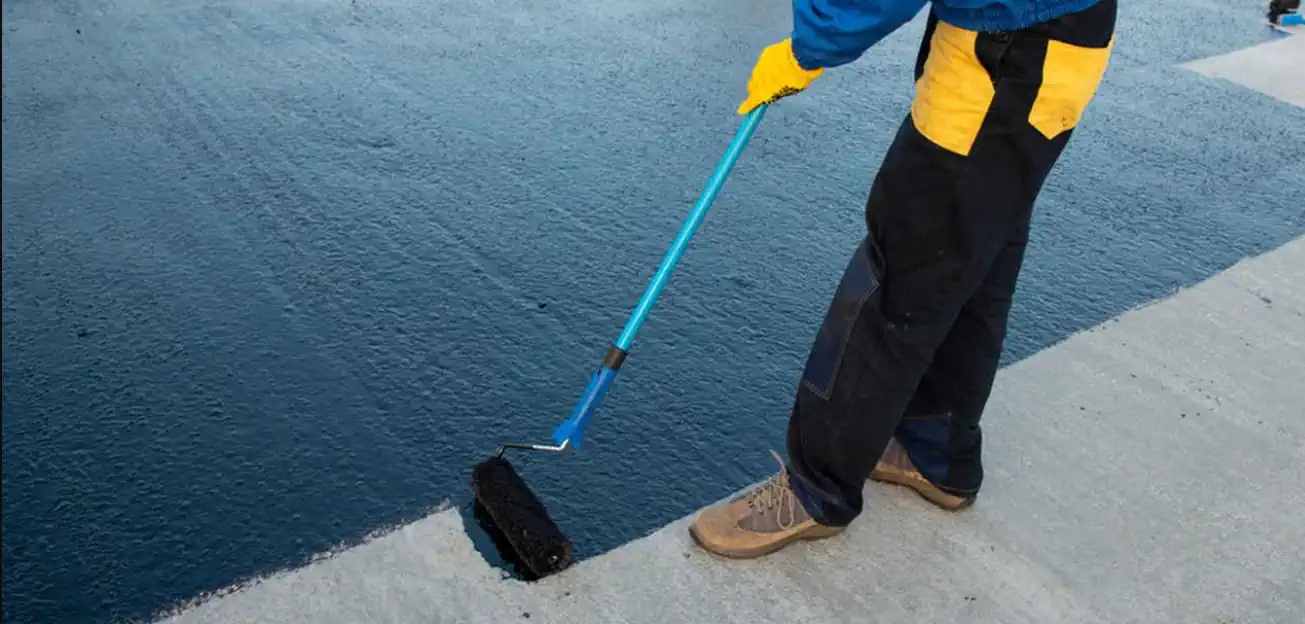
Reliable Waterproofing Specialist in Singapore: A Technical Selection Guide
In the high-humidity environment of Singapore, structural integrity is constantly under threat from tropical rain and rising damp. Selecting a reliable waterproofing specialist is not merely about finding a contractor; it is about choosing an engineering partner who understands the complex hydraulic pressures unique to our equatorial climate. At NearMeSG, we prioritize high-performance, long-term solutions over temporary patches, ensuring every project meets the rigorous demands of modern structural safety.
1. Identifying a Specialist vs. a General Contractor
A true waterproofing specialist possesses specialized diagnostic equipment and material knowledge that general renovation contractors often lack. Waterproofing is a hidden science; once the tiles are laid, the quality of the barrier cannot be visually verified.
- Diagnostic Precision: Reliable specialists use non-invasive tools such as infrared thermography to map moisture paths behind walls, identifying the source rather than just treating the symptom.
- Material Expertise: They understand the specific chemical compatibility between polyurethane (PU) resins, acrylics, and concrete substrates.
- Warranty Integrity: A specialist provides a meaningful warranty that covers both material failure and workmanship, typically lasting 5 to 10 years.
- Specialist Builder's Licence: In Singapore, a reliable specialist should hold the appropriate BCA registry for CR13 (Waterproofing Installation) to ensure they are qualified for structural works.
2. Advanced Waterproofing Technologies for 2026
The industry has moved beyond simple bituminous felt. Modern specialists utilize high-elongation materials designed to survive Singapore's extreme thermal cycles, where roof surfaces can swing from 70°C to 25°C in minutes during a storm.
- Liquid Applied Membranes (LAM): These create a seamless, monolithic barrier that is ideal for complex roof geometries where joints are the primary failure point.
- PU Grout Injection: For structural cracks in reinforced concrete (RC) slabs, high-pressure injection is used to seal leaks from the inside out by reacting with trapped moisture.
- Crystalline Waterproofing: This technology involves a chemical reaction that creates insoluble crystals within the concrete pores, making the structure itself waterproof.
- Nano-Silane Sealers: These are used for tiled surfaces to provide a hydrophobic barrier without changing the aesthetic or slip-resistance of the floor.
3. The Importance of Structural Diagnostics
A specialist's value is often found in their ability to find the "entry point" rather than just the "drip point." This distinction is critical in multi-story landed properties where water can travel horizontally along beams.
- Moisture Mapping: Water can travel several meters along electrical conduits before appearing on a ceiling.
- Hydrostatic Pressure Analysis: Understanding how water accumulates in the soil or on a flat roof helps in designing a drainage-first solution.
- Thermal Shock Resistance: Specialists evaluate if a material can handle the rapid contraction during a "Sumatra" squall.
- Specific Leak Analysis: For issues specifically related to heavy rain scenarios, refer to our detailed breakdown on why tile roofs leak in heavy rain.
4. Surface Preparation: The Foundation of Adhesion
The most common cause of waterproofing failure is poor surface preparation. A reliable specialist spends 60% of the project time preparing the substrate.
- Mechanical Grinding: Removing old sealants and laitance to expose the "open pore" structure of the concrete.
- Moisture Content Testing: Ensuring the concrete is dry enough for the membrane to bond, typically requiring a moisture level below 5%.
- Fillet & Corner Treatment: Reinforcing 90-degree angles with "coving" or bond-breaker tape to allow for structural movement without tearing the membrane.
5. Key Questions to Ask Your Specialist
Before signing a contract, ensure your provider can answer the following technical questions:
- "What is the elongation percentage of the membrane you are using?" (Look for >300% for roofs).
- "How do you prepare the substrate to ensure a mechanical bond?"
- "Will you be providing a post-repair flood test to verify the seal?"
- "Are your technicians trained in BCA-standard workplace safety for working at heights?"
6. Why Cheap Fixes Fail in the Tropics
Many homeowners opt for "over-the-counter" sealants or "hacking-free" solutions that only provide a thin topical layer. In Singapore’s heat, these materials often become brittle within 12 months.
- UV Degradation: Standard sealants lose their plasticity when exposed to constant equatorial UV rays.
- Efflorescence: Poorly sealed slabs allow minerals to leach out of the concrete, creating white "salt" deposits that eventually push the waterproofing layer off the surface.
- Incompatible Layers: Applying new waterproofing over old, failed membranes without proper stripping leads to "delamination," where the entire new layer simply peels away.
Comparison: General Contractor vs. Waterproofing Specialist
| Feature | General Contractor | Waterproofing Specialist |
|---|---|---|
| Primary Goal | Aesthetics / Renovation | Structural Integrity / Barrier |
| Tools Used | Manual inspection | Infrared / Electronic detectors |
| Sealant Quality | Generic / Hardware store | Industrial-grade / UV-stable |
| Approach | Surface-level patch | Root-cause engineering |
| Standard | Standard Building Code | BCA Specialist Standards |
References & Technical Compliance
- Construction Quality: For a list of registered specialists and standards for building productivity, consult the Building and Construction Authority (BCA).
CLICK HERE: to find the contractors for this service