
Tile roof / Roof tiles leaks in heavy rain
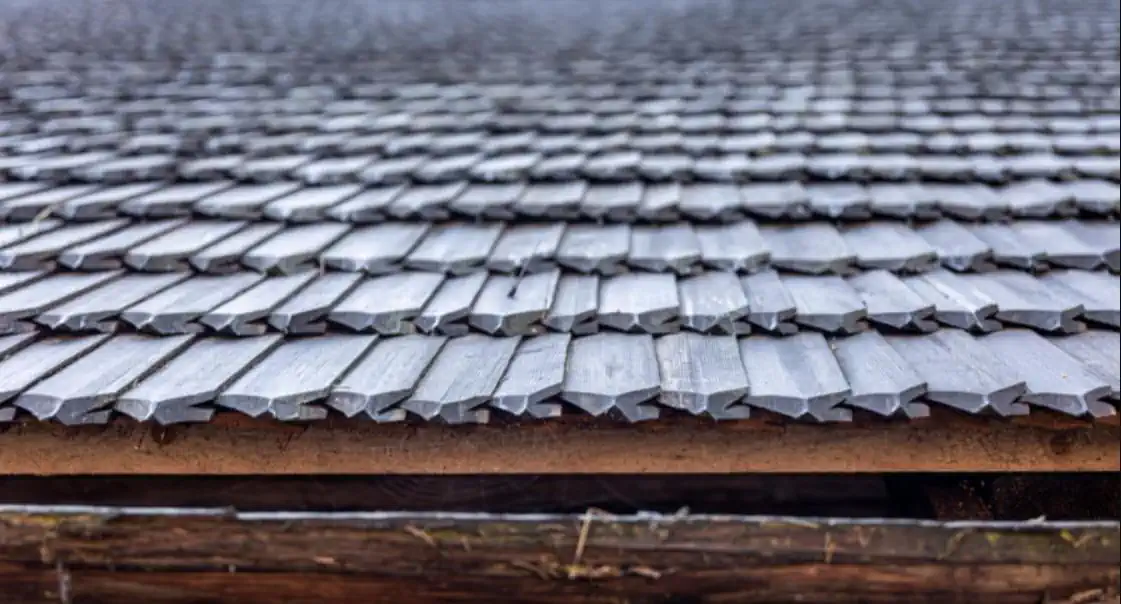
Why Tile Roofs Leak During Heavy Rain: Technical Root Causes
Tile roofs are a hallmark of Singaporean landed properties, valued for their durability and thermal mass. However, these systems often remain perfectly dry during a drizzle but fail catastrophically during high-intensity downpours. In the roofing industry, this is categorized as a "dynamic load failure." At NearMeSG, our engineering-led approach focuses on the physics of water ingress. Understanding why tiles fail under pressure is the first step toward a "Real Repair" that lasts for decades.
1. The Mechanics of Wind-Driven Rain and Capillary Action
During a heavy storm, rain does not just fall vertically; it is driven horizontally by high-velocity winds. This creates a pressure differential across the roof surface that simple gravity-based designs cannot always counteract.
- Capillary Rise: Water can be "sucked" upward between the overlapping sections of tiles. When rain is light, gravity pulls water down the tiles safely.
- Pressure Differentials: In a heavy downpour, the volume of water creates a continuous film. Wind pressure forces this film under the tile lap against the natural flow of gravity.
- Tile Displacement: Intense gusts can physically lift lighter or poorly secured tiles. This "chattering" breaks the weather seal, allowing water to bypass the primary barrier and flood the underlying structure.
- Overlap Integrity: Standard interlocking tiles rely on a specific overlap margin. If the roof pitch is too low for the tile type, heavy rain will easily override these overlaps.
- Surface Tension: During extreme rain, the surface tension of the water allows it to "wrap" around the edge of a tile and travel backward into the roof battens.
2. Underlayment Saturation and Structural Fatigue
The tiles are only the first line of defense. Beneath them lies a secondary waterproofing membrane, or underlayment, which serves as the critical final barrier.
- UV Degradation: Over time, heat escaping through the roof tiles can cause the underlayment to become brittle. During a light rain, minor cracks in the membrane might not leak.
- Thermal Contraction: Rapid cooling during a storm causes the underlayment to contract. If the material is old, this movement opens micro-fissures.
- Hydrostatic Pressure: In a heavy downpour, the volume of water passing through the tile gaps creates enough weight (hydrostatic pressure) to force moisture through those cracks. This transition is explained in detail in our analysis of why roofs leak during heavy rain.
- Batten Rot: When underlayment fails, water saturates the wooden battens. Over time, this leads to structural sagging, which further displaces tiles and exacerbates the leak.
- Nail Hole Leakage: Many older roofs used nails that pierce the underlayment. As the membrane ages and shrinks away from the nail, these points become entry channels during heavy saturation.
3. Clogged Valley Gutters and Internal Overflows
Tile roofs rely on internal valleys—the "V" shaped channels where two roof planes meet—to channel high volumes of water to the external gutters.
- Debris Traps: Leaves, silt, and bird droppings often collect at the "v-cut" of the tiles where they meet the valley lining.
- Hydraulic Capacity: Valley gutters have a maximum hydraulic capacity. If the intensity of the rain exceeds this limit, the water level rises vertically.
- Back-Surge: During peak rainfall, small obstructions cause water to back up. Because tile roofs are not a pressurized system, this water rises above the vertical flange of the valley lining and enters the roof cavity.
- Silt Accumulation: Fine dust from construction or road traffic settles in valleys, turning into a "dam" when mixed with light rain, which then causes total failure during heavy rain.
- Inadequate Width: Many legacy valley gutters in Singapore are too narrow to handle modern 2026 rainfall intensities, leading to frequent over-topping.
4. Cracked Tiles and Porosity Issues
Older clay and concrete tiles can become porous over decades of exposure to Singapore’s equatorial sun.
- Sponge Effect: A porous tile absorbs water rather than shedding it. During a sustained storm, the tile reaches its saturation point.
- Secondary Leaking: Once fully saturated, the tile begins to "sweat" moisture onto the wooden battens below, leading to rot and eventually an internal drip.
- Hairline Fractures: Walking on tiles for air-con maintenance or solar panel installation often causes hairline cracks.
- Bridging the Gap: These cracks remain dormant until a heavy rain provides enough water volume to bridge the gap and enter the ceiling.
- Moss and Lichen: Organic growth on tiles holds moisture against the surface for longer periods, increasing the rate of water absorption into the tile body.
- Salt Crystallization: In coastal areas of Singapore, salt can get trapped in the pores of the tile, expanding and causing "spalling" or surface flaking.
5. Flashing Failures at Roof Penetrations
Flashings are the metal or lead strips used to seal gaps around chimneys, skylights, and areas where the roof meets a wall.
- Sealant Fatigue: Most flashing relies on a bead of sealant at the top edge. Constant UV exposure causes this to peel.
- Differential Movement: Walls and roof structures move at different rates during temperature changes. This stress tears the flashing away from the wall.
- Counter-Flashing Absence: If a roof lacks proper counter-flashing (a second layer of metal over the first), water running down a wall can get behind the waterproofing layer.
- Lead Oxidation: Older lead flashing can develop cracks through oxidation, which become significant leak points during torrential rain.
6. The Impact of Improper Installation
Sometimes, the leak is a result of structural errors made during the original construction phase.
- Insufficient Pitch: Every tile model has a minimum pitch requirement. If the roof is too flat, water will not clear fast enough.
- Incorrect Lap Length: Cutting corners on the overlap to save on tile costs reduces the roof's resistance to wind-driven rain.
- Poorly Fitted Ridge Caps: The "apex" of the roof is covered by ridge tiles. If the mortar bed is cracked or the mechanical fixings are loose, rain is driven directly into the attic space.
7. Professional Diagnostic and Repair Strategies
A "Real Repair" requires more than just a bucket of sealant. It requires a systematic engineering approach to identify the failure point.
- Thermal Imaging: Using infrared cameras during or immediately after rain to map moisture paths behind the ceiling.
- Electronic Leak Detection: Testing the integrity of the underlayment membrane without removing all the tiles.
- Mechanical Fixing: Moving away from mortar-only ridge fixing to "dry-fix" systems that allow for structural movement.
- Membrane Replacement: In severe cases, the only solution is to strip the tiles, replace the degraded underlayment, and re-tile to modern standards.
Comparison: Rainfall Intensity vs. Tile Failure
| Rainfall Type | Observation | Technical Reason |
|---|---|---|
| Light Drizzle | No Leaks | Surface tension and gravity handle water flow. |
| Sustained Storm | Damp Patches | Tile porosity or minor underlayment breaches. |
| Heavy Monsoon | Active Dripping | Hydrostatic pressure and wind-driven capillary rise. |
| Sumatra Squall | Flood-like Leaks | Mechanical displacement of tiles or gutter back-surge. |
References & Technical Compliance
- Maintenance Standards: Mandatory periodic structural inspection and maintenance requirements for roof safety are outlined in the Building Control (Inspection of Buildings) Regulations.
CLICK HERE: to find the contractors for this service